
In our latest ‘Behind the Paper’ blog post, author Analisa Lazaro-Côté – a postdoctoral fellow at the University of Manitoba – discusses the article “Transcriptional breakpoints as predictors of thermal thresholds in a climate-impacted stenothermal fish“, which was published in Functional Ecology in August 2026. Analisa shares how bull trout may avoid temperatures that activate costly stress responses, sampling fish in the lab, and the importance of doing what you love.
About the paper
Temperatures are rising in many parts of the world, which is especially concerning for ectotherms that rely on the temperature of their environment to regulate their body temperature. To protect themselves from the physiological consequences of overheating, fish can relocate to colder waters or find ways to tolerate the heat. However, the mechanisms underlying temperature preference are unresolved.
Previous research suggests that ectotherms should select temperatures that maximize aerobic scope: the metabolic surplus available for activities such as eating and swimming once maintenance costs are covered. However, many fish prefer temperatures well below their optimum aerobic scope, suggesting that alternate physiological mechanisms may be at play. We wanted to test if cellular thresholds, particularly the temperature at which there is a shift in transcriptional response, might better predict thermal habitat use.
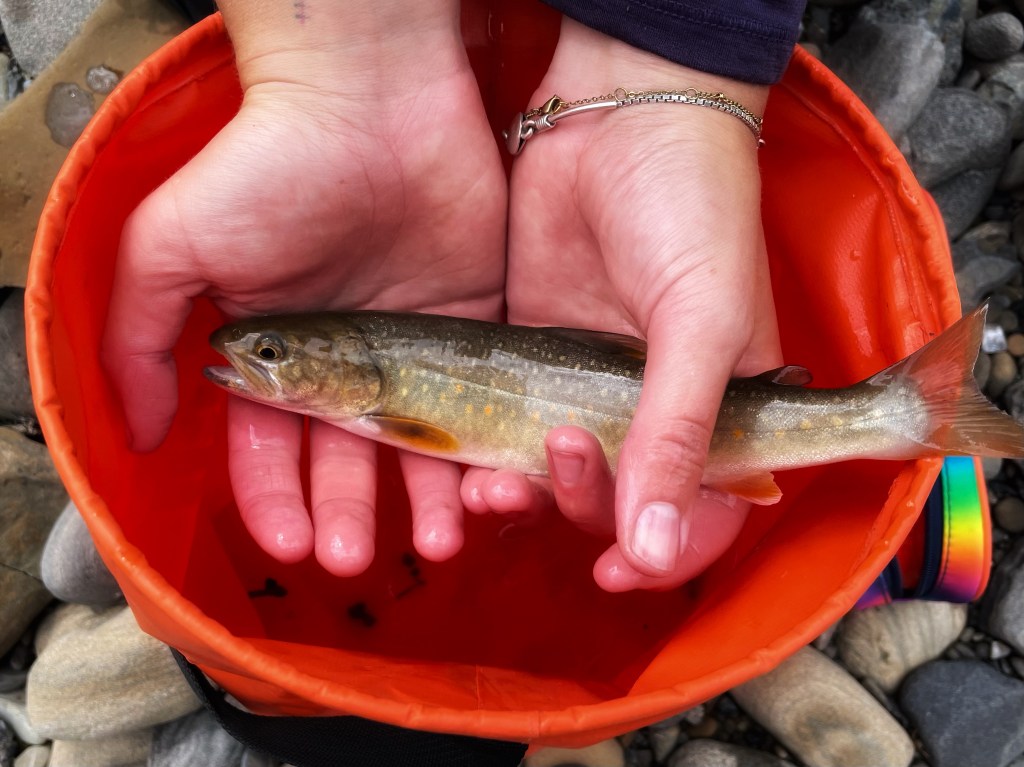
We found that although the aerobic scope of juvenile bull trout peaked near 20.6 °C, they preferred cooler temperatures between 9.3 and 14.3 °C. Their mRNA transcript profiles suggest that they select these temperatures because their cells started showing signs of stress when their temperature preference was exceeded. Genes associated with the cellular stress responses were upregulated, while those linked with growth were downregulated. This suggested to us that bull trout may have been avoiding temperatures that activated costly stress responses, preserving energy for potential growth rather than stress mitigation.
If transcriptional breakpoints do impose an upper limit on preferred temperature, it may be used to predict how fish will respond to warming in the coming years.
About the research
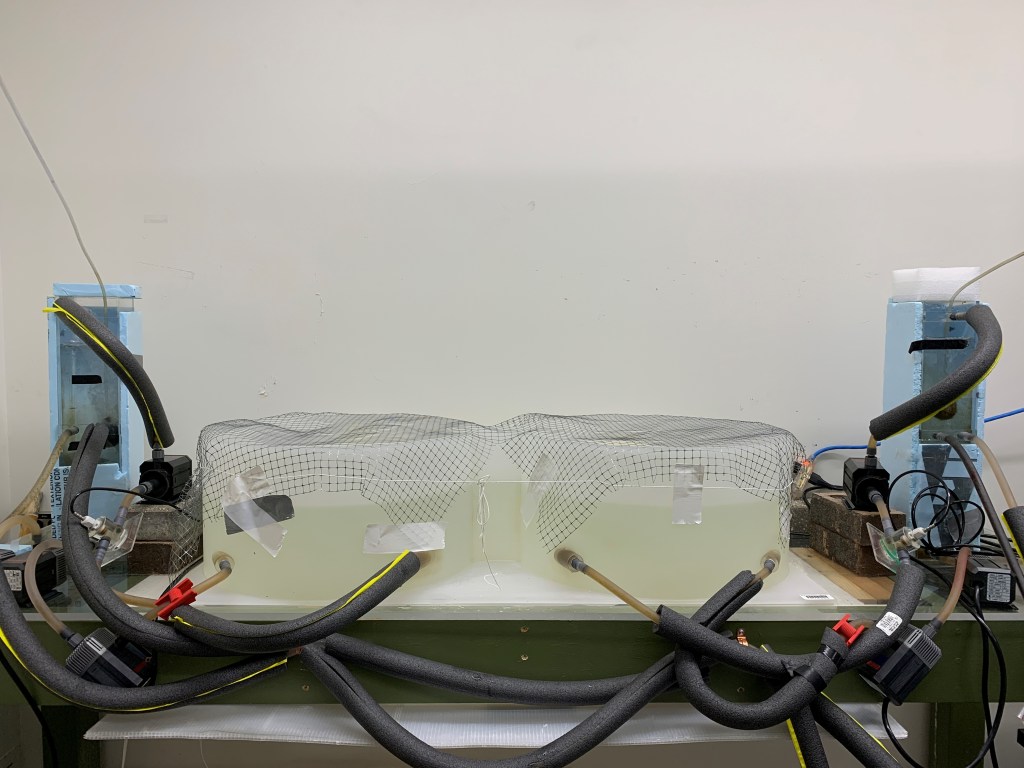
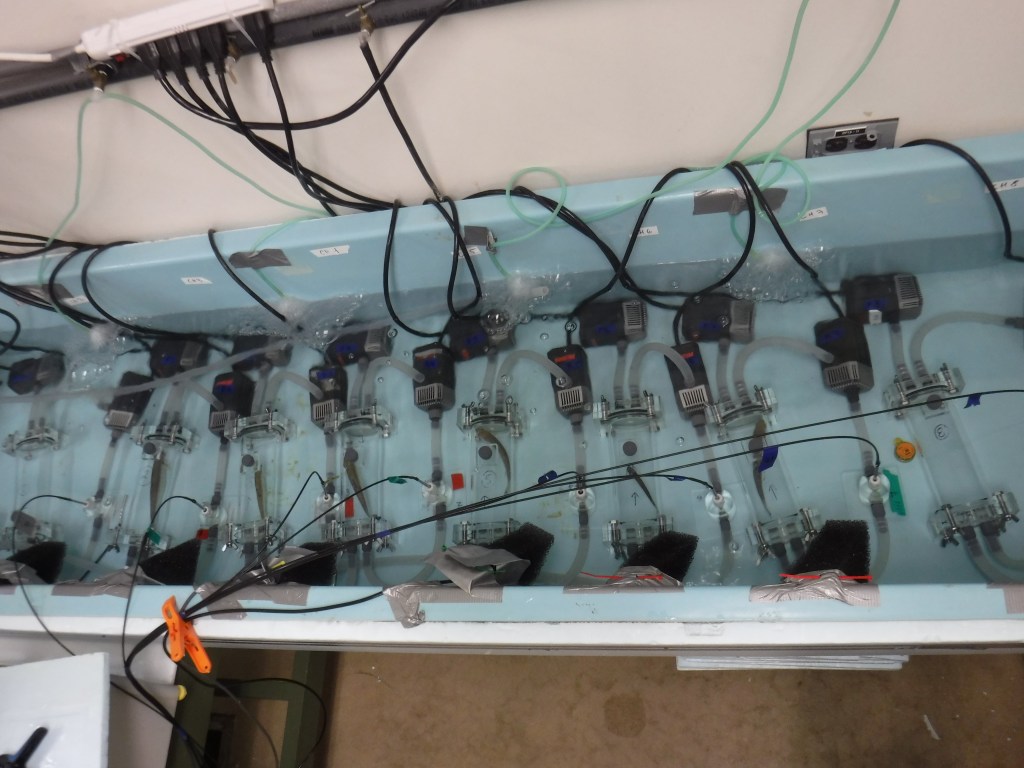
Bull trout were perfect for this study because they thrive in a narrow range of cold temperatures, and earlier work suggested that 15°C would start to become stressful for them. This allowed us to choose six temperatures between 6 and 21°C to acclimate them for three weeks. With any controlled experiment, maintaining fish for extended periods can be stressful, especially when they are a species protected under the Species at Risk Act in Canada. Luckily the fish were in the good hands of my co-authors, Travis Durhack and Andrew (AJ) Chapelski, and a team at the Freshwater Institute, Winnipeg, MB. I’ve teamed up with them on several projects now, so we are a well-oiled sampling machine.
One thing we haven’t fully answered yet is whether this patter holds at the individual level. We saw high variability in temperature preference between fish, and I wonder if that variability corresponds with individual transcriptional breakpoints. For that we would have to sample each fish at multiple timepoints as they experience rising temperatures. On the more applied side, the next steps have already begun as we are looking for non-invasive ways to assess thermal habitat suitability without having to bring fish back to the lab. We have found that expression profiles in skin mucus can help us identify fish experiencing chronic thermal stress. So, a quick mucus sample during routine fisheries surveys can give us an idea of how a wild population is coping with its thermal environment.
About the author
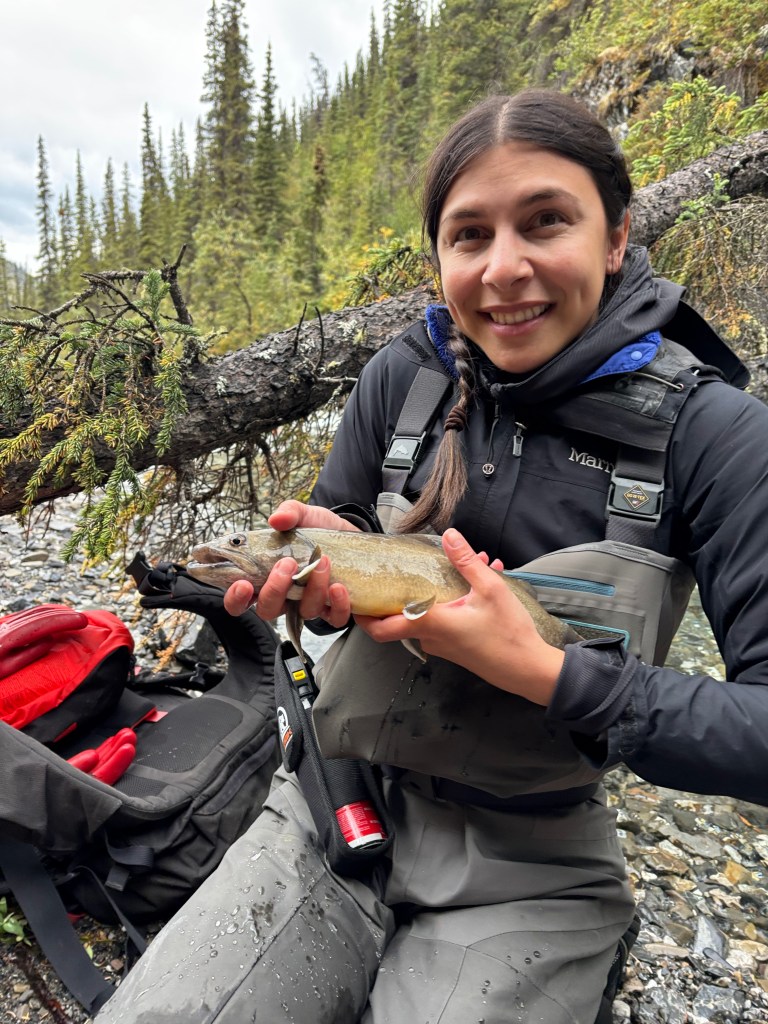
I wish I could say that I always knew I was going to be a researcher. In reality, I waited four years before starting graduate school. I worked as an environmental consultant and a flight attendant. I was travelling the world and seeing the most incredible displays of biodiversity, but I felt that something was still missing. I wanted to contribute to conservation initiatives in some way, and research turned out to be the best path for me to do that. I did not foresee that I would now be a postdoctoral fellow at the University of Manitoba, hoping to lead my own research group one day. To balance my current obsession with transcriptional breakpoints, I practice yoga, learn new languages like Tagalog and Spanish, read, walk my dog, and stay connected with friends and family.
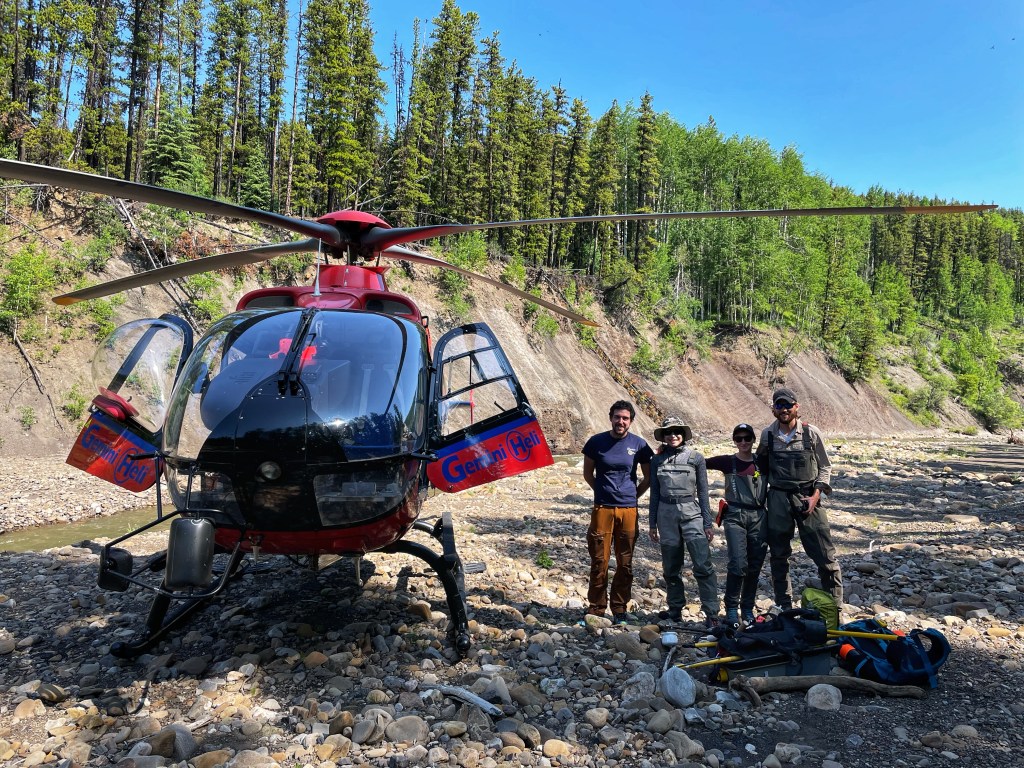
I’ve been lucky to have amazing mentors throughout my scientific career, which meant I always felt safe reporting any bullying and harassment when I experienced it. But not everyone has that. Just know that it gets better, and you are not alone. In addition to my love of ecology, knowing I can help create a safe, inclusive space for underrepresented researchers is a big part of what keeps me going. My supervisor, Dr. Ken Jeffries, told me that he just wants to do good science with good people, and I couldn’t agree more. Be kind to one another and lift each other up, because research is hard enough without adding unnecessary stress on top of it.
To my younger self I would say: If you’re doing what you love, you’re exactly where you should be. Don’t waste time doubting yourself because of what other people say or do.
