
For more than 30 years, manufacturers of ski and snowboard waxes used PFAS – per- and polyfluoroalkyl substances – to make skis and snowboards glide faster over snow. These synthetic chemicals were highly effective and common in competitive racing just about everywhere.
Then studies began finding PFAS in human bodies, and research suggested the chemicals could harm human health.
In response, racing groups such as the International Ski and Snowboard Federation, as well as venues like the Craftsbury Outdoor Center in Vermont and municipalities like Park City, Utah, banned these fluorinated – or “fluoro” – waxes. Bans, coupled with evolving regulations on PFAS, generally mean fluoro waxes have largely been phased out of production.
But the PFAS problem isn’t gone.
New research I conducted with colleagues tells a cautionary tale of how difficult it is to remove these “forever chemicals” from the environment and what happens after they are banned, particularly when people like the benefits PFAS chemicals bring to products.
The problem with PFAS
There’s a good chance you’ve encountered PFAS in many parts of your life.
This large group of as many as 15,000 individual compounds are used extensively in consumer products, medical devices, emergency response equipment and industrial processes. They help rain gear repel water and some food wrappers repel grease. They’re used in firefighting foam and for heat resistance.
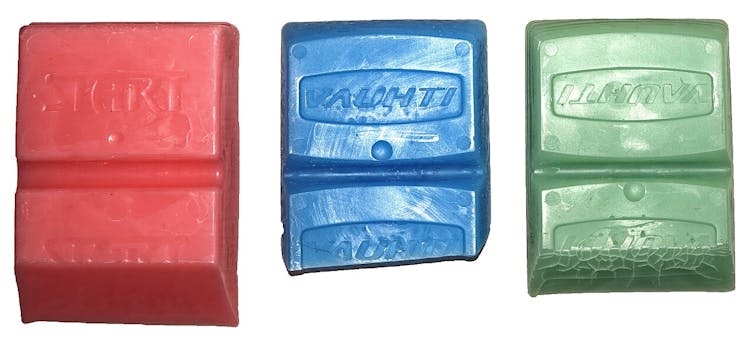
From the late 1980s through the early 2020s, PFAS were also added to many – but not all – types of ski wax.
RJ Sangosti/The Denver Post via Getty Images
In general, waxes are used to make skis perform better in specific snow conditions, such as fresh, warm or wet snow. There are hundreds of different wax products.
Adding PFAS reduces the surface tension as skis slide over the snow, resulting in less friction and smoother glide. PFAS were particularly common in waxes designed to perform well in warm, wet or dirty snow conditions, and they were used widely in competitive ski racing and recreational settings alike.
Then, in the 2010s, researchers began finding a buildup of PFAS in the environment near ski venues and in the bodies of people who wax skis professionally.
When skis are waxed, tiny particles and chemicals – including PFAS – can become airborne. Scientific research has suggested associations between PFAS and numerous adverse human health effects, including increased risks of thyroid, liver and cardiometabolic diseases, along with certain cancers.
In the early 2020s, my colleagues and I began asking questions about whether these environmental health risks were limited to professionals. Our early research indicated that a broad range of skiers might be exposed to PFAS in ski wax, beyond just professional wax technicians.
Among skiers in a follow-up pilot study, individuals who waxed more skis tended to have higher levels of PFAS in their blood and also had higher total cholesterol and low density, or “bad,” cholesterol. Both are risk factors for cardiovascular disease, and they have been shown to be positively associated with PFAS exposure in other groups of people.
By the early 2020s, initiatives to restrict PFAS globally and in Europe, where most waxes are manufactured, had reduced the fluoro supply. Industry organizations, venues and municipalities began restricting the use of fluoros. And, ultimately, the International Ski and Snowboard Federation and International Biathlon Union banned fluorinated waxes in all sanctioned competitions beginning in the 2023-24 season.
The lingering dust of forever chemicals
Banning fluoros has helped reduced exposures, but it hasn’t solved the problem.
PFAS are extremely durable, meaning that they do not degrade easily in the environment or in people’s bodies. As a result, PFAS that enter the environment – both indoors and outdoors – from ski waxing will remain in those areas for a long time.
Tiia Monto, CC BY-SA
My new research found that while PFAS concentrations in dust from waxing work areas declined substantially following the implementation of fluoro bans, PFAS were not fully eliminated.
Specifically, the study found that concentrations of PFAS in dust in wax rooms dropped significantly after the fluoro bans were implemented and waxing areas were cleaned. But PFAS were still detectable. Research shows that even tiny amounts of PFAS can pose risks to human health. The latest research suggests people working in wax rooms and in the vicinity still face ongoing PFAS exposure risks.
Some skiers still have fluoros in their wax collection and may be inclined to use them from time to time.
What will replace fluoros?
Given what we know today, one might ask, “Were PFAS in wax really worth it?”
While that question begets a wide range of beliefs and opinions, two themes emerge in my conversations with skiers: First, fluoro waxes were beloved among skiers because of how well they improved the glide of skis, particularly in wet or sticky snow. Second, gaps in people’s knowledge of past and present environmental health risks from ski waxing present challenges for weighing costs and benefits.
Wax manufacturers are actively searching for chemistries that can replicate the feel of skiing on fluoros.
What will be in these waxes – and whether they will be less harmful to human health and the environment – are open questions. Wax formulations are typically proprietary and shielded from disclosure by intellectual property and confidential business information laws.
What skiers can do to stay safe
There are steps you can take as a skier or snowboarder to reduce lingering PFAS exposure.
-
Stop using fluoro waxes.
-
Wax your skis in a well-ventilated space or outside.
-
Use personal protective equipment, such as an N95 mask or a respirator with organic cartridges, when waxing.
-
Don’t eat or drink in the spaces where you wax or tune your skis or snowboard to avoid wax dust getting into your food.
-
Wash your hands and change your clothes after leaving your waxing space.
-
Clean your wax area with a vacuum equipped with a HEPA filter and a wet cloth to avoid the accumulation of wax-related dust.
