
New scientific research has shed fresh light on one of Central Europe’s most remarkable archaeological discoveries — the 9,000-year-old grave of the so-called “Shaman of Bad Dürrenberg” in Germany.
Recent pollen analysis suggests that the woman buried there may have been laid to rest surrounded by flowers, offering rare insight into prehistoric burial rituals.
The grave, located in the district of Saalekreis in Saxony-Anhalt, dates back to the Mesolithic period. Archaeologists believe the burial belonged to a woman aged between 30 and 40 who was interred holding a six-month-old infant. Artefacts such as a headdress made from deer antler and pendants crafted from animal teeth indicate that the woman likely held a special role within her community, possibly as a spiritual leader or shaman.
The burial was discovered accidentally during sewer construction in 1934. Since the excavation had to be finished up urgently, within a single afternoon, much of the surrounding burial pit was left untouched.
Archaeologists came back to the site at Bad Dürrenberg’s spa park in 2019 in the run-up to a state garden demonstration. Their work showed that portions of the original burial pit, still stained with red ochre, had gone undisturbed for decades.
Researchers carefully removed sections of the burial area for laboratory study. Among the discoveries were small but significant traces of pollen. Under microscopic analysis, pollen from several flowering plants was identified, including meadowsweet, mullein, buttercup and devil’s-bit scabious — plants known for their striking colours.
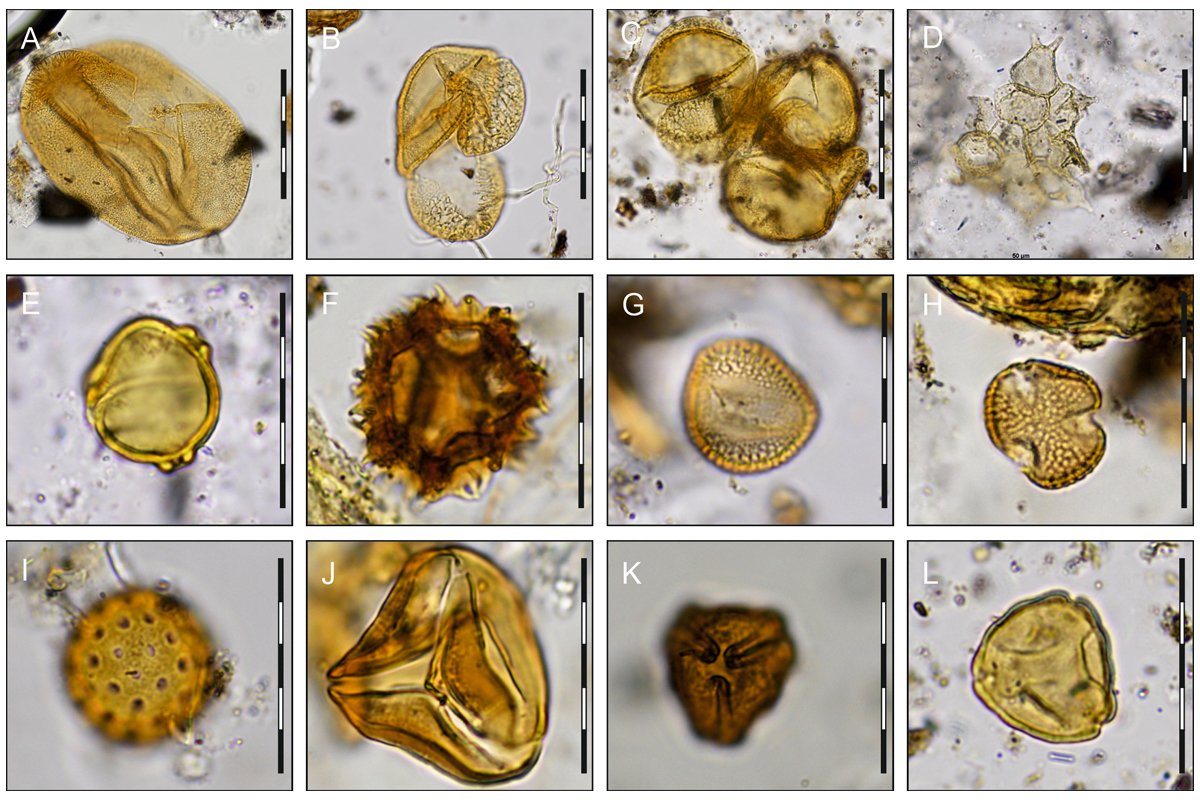
The concentration of pollen was especially noticeable around the head of the deceased. According to pollen analyst Elisabeth Endtmann from the State Office for Geology and Mining of Saxony-Anhalt, the flowers may have been placed around the woman’s head during burial, or pollen may have become trapped in her hair while she was alive. Although the limited amount of pollen prevents a definitive conclusion, the findings strongly suggest that plants played a role in the burial ritual.
Many of the identified plants are also known in traditional herbal medicine. Birch leaves, buckthorn, hops and lady’s mantle — all found among the pollen remains — have long been used for treatments ranging from wound care to digestive remedies.
The flowering periods of these plants may also reveal when the burial took place. Researchers believe the strongest overlap in bloom times occurs in July, suggesting the shaman was likely buried in midsummer.
The latest findings will feature in a major exhibition titled “The Shaman”, opening March 27, 2026, at the State Museum of Prehistory in Halle (Saale), where visitors will learn more about prehistoric spirituality and life during the Mesolithic era.
Header Image Credit : Dr. Oliver Dietrich
Sources : IDW