
Following or latest open call, we are excited to announce that we have welcomed 47 new Associate Editors to Functional Ecology’s editorial board! Our new editors join us from 18 different countries and bring with them an incredible range of expertise and experiences in functional ecology.
Read on to find out more about them!
University of Galway, Ireland

Alexandre is a molecular microbial ecologist specialised in microbial interactions and their ecosystem functions. He has been applying high-throughput DNA and RNA sequencing to study how soil microbial communities respond to factors such as pollutants, wildfires, radiation, and invasive earthworms. Current projects in Alexandre’s lab focus on the relationships between volatile organic compounds (VOCs) and greenhouse gas emissions from soil and mapping antimicrobial resistance risk in the environment.
CNRS – Institut Pluridisciplinaire Hubert Curien, France

Antoine’s research is at the crossroad between physiology and ecology. He is broadly interested in the interconnectedness between environmental conditions and physiological processes, and how such interactions are shaping organism’s phenotype, performance, reproduction and ageing rate. His research focusses on mechanisms such as mitochondrial aerobic metabolism, thermoregulation, oxidative stress and telomere dynamics. He mostly uses endotherm species as models, both in captivity and in their natural environment, and currently leads a long-term project on king penguin ecophysiology.
University of Palermo, Italy

I have a broad interest for insect ecology, plant-insect interaction, intraguild interactions, chemical ecology and biological pest control. I use natural enemies, especially parasitoids and hyper-parasitoids, as model study organisms. I am particularly interested in understanding the role of HIPVs in tri-trophic and four-trophic terrestrial food webs. I am also interested in the role played by insect-associated symbionts in plant-mediated interactions.
State Key Laboratory of Animal Biodiversity Conservation and Integrated Pest Management, Institute of Zoology, Chinese Academy of Sciences, China

Baojun studies the evolutionary and ecological physiology of reptiles and amphibians, with a focus on squamates (snakes and lizards). Using an integrative, comparative physiology approach, Baojun applies principles from conservation physiology and climate change ecology to investigates how ectotherms respond to extreme environments and to evaluate their vulnerabilities under ongoing climate change.
University of New South Wales, Australia

Baptiste studies how interactions between biotic and abiotic factors regulate ecosystem function, with a focus on carbon and nutrient cycling. His research centers on plant decomposition across ecosystems from aridlands to tropical forests, and the roles of animals, microbes, and fire in mediating these processes. He also investigates the implications of these pathways for biodiversity maintenance and soil carbon storage.
Bingwei Zhang
Beijing Normal University, China

Bingwei is an ecosystem ecologist, mostly focus on the grassland, forest and mangrove ecosystems. His research typically involves the use of observation and manipulative experiment to explore 1) the response and adaption of terrestrial ecosystem structure and function to climate change, and 2) biotic and abiotic mechanisms in regulating soil carbon cycling and carbon sinks.”
Bryony Caswell
University of Exeter, United Kingdom

Dr Bryony Caswell is a benthic ecologist who works through time (from present-day back 200 million years) to understand ecosystem dynamics. For the last 20 years she has been investigating the impacts of past and present-day climate change, and anthropogenic pressures on seafloor structure and functioning. This includes urbanisation, marine pollution and the expansion of offshore wind. She also has interests in historical ecology and environmental history and chairs the expert working group on the History of Fish and Fisheries for the International Council for Exploration of the Sea.
University of Jyväskylä, Finland

I study how microbial diversity shapes ecosystem functioning, including carbon cycling, plant nutrition, and disease dynamics, through functional traits. My research integrates community profiling across environmental gradients with eDNA with trait-based approaches to better understand the links between microbial diversity and ecosystem processes.
Chao Guo
Systems Ecology, A-LIFE, Vrije Universiteit Amsterdam, Netherlands

Chao is a forest ecologist interested in trait-based ecology, plant–insect interactions, plant–soil feedbacks, and ecosystem functioning. Her research examines how soil fauna and other invertebrates regulate carbon turnover, particularly plant litter decomposition, and how plant and animal functional traits influence decomposition, nutrient cycling, and ecosystem multifunctionality across subtropical forests, temperate forests, and mountain systems. She also uses meta-analysis to identify general links between biodiversity and ecosystem functions.
Cristina Coccia

Universidad Santo Tomas, Italy
I am a freshwater and wetland ecologist studying the structure and functioning of aquatic communities in Mediterranean wetlands. My research integrates community and functional ecology to understand how environmental and anthropogenic drivers shape aquatic and semi-aquatic invertebrate assemblages. I aim to link these patterns to ecosystem functioning and inform conservation and restoration of inland and transitional water ecosystems.
USDA-Agricultural Research Service-Northern Great Plains Research Laboratory,United States

My initial training was in carbon and nitrogen soil biogeochemistry and plant community ecology in grassland systems. I am broadly interested in agroecology. My current research focus includes incorporating perennial plant species into agricultural landscapes via ley systems, restorations, and strip cropping. I also study invasive species in native rangelands.
University of Sheffield, United Kingdom

Lizzie is a plant and soil ecologist. Her research focuses on understanding how plant–microbe interactions influence vegetation change under global environmental change, particularly in tropical savannas. Broadly, she is interested in how belowground processes shape aboveground ecosystem dynamics. Her work spans macro- and microecological scales, combining field and glasshouse experiments with global datasets. Her research interests include savanna ecology, invasive species, biogeochemistry, plant functional traits, nitrogen fixation, and mycorrhizal ecology.
Virginia Tech, United States

Ghosh works at the intersection of eco-immunology and chemical ecology. Her work focuses on how plant defense chemicals and natural enemies influence herbivore immunity, behavior, and performance. She is also interested in how insects use environmental cues to anticipate risk, how their defenses change across conditions, and the trade-offs between growth, defense, and reproduction.
University of Almería, Spain

Encarnación is a freshwater ecologist interested in how environmental change shapes freshwater communities, food webs and ecosystem functioning. Her research focuses on streams, with particular emphasis on detritus-based processes, decomposer communities and the functional traits that mediate consumer–resource interactions. She integrates field surveys, laboratory assays and physiological approaches to reveal how freshwater biodiversity and ecosystem processes are shaped by natural environmental gradients and human-driven changes.
Rutgers University, United States

Erin is a wildlife disease ecologist interested in how host behavior, physiology, and environmental change interact to shape disease dynamics. Her work examines how individual variation in traits such as thermoregulation, resource use, and parental care influences susceptibility and transmission across systems. She integrates laboratory, field, and large-scale quantitative approaches to link organismal mechanisms with population-level outcomes. Her research spans amphibian and avian systems and focuses broadly on predicting disease risk under global change.
University of Zurich, Switzerland

Fernando is an ecologist who bridges the gap between species conservation and ecosystem health. His research focuses on how species interactions drive critical ecosystem processes and services, utilising a multiscale landscape and biogeographical approach to tackle complex environmental challenges.
Centro de Investigaciones sobre Desertificación (CIDE-CSIC), Valencia, Spain

Gianluigi’s core focus is on plant functional biogeography, especially in disturbance-prone open biomes. He uses whole-plant trait-based approaches across scales and organizational levels. He is fascinated by exploring which functional strategies (e.g. biomass allocation, trait coordination, trait responses to environmental variation) contribute to shaping plant species’ persistence, habitat specialization and distribution, particularly in insular systems.
Hebei University, China

Zhang is a terrestrial ecologist dedicated to decoding the intricate relationships between plants and beneficial soil microbes. His work blends classical ecology with advanced molecular and isotopic techniques to understand how microbial functional traits—specifically those of mycorrhizal fungi and rhizobia—govern carbon and nutrient cycling.By quantifying these microbial traits, hisgoal is to build a research community that not only advances terrestrial biogeochemistry but also empowers us to harness the power of the microbiome for a more sustainable and resilient future.
South China Botanical Garden, Chinese Academy of Sciences, China

Hui is a plant ecophysiologist interested in linking plant functional traits, species distribution and phylogeny together to know how plants adapt and evolve under climate change (esp. drought and heat). She mainly focuses on plant hydraulic, thermal, economic and anatomic traits, as well as climatic niches and phylogenetic niche conservatism of forest plants.
Ignacio Peralta-Maraver (he/his)
Universidad de Granada, Spain

My work is grounded in the view that functional ecology should be built upon robust conceptual frameworks rooted in physiological, thermodynamic and evolutionary principles. Accordingly, my research draws on established theories such as the Metabolic Theory of Ecology and Thermal Performance Theory to link processes across biological levels and generate testable predictions. My multidisciplinary research spans freshwater, marine and terrestrial systems, encompassing organisms across the tree of life. I integrate experimental approaches, field surveys, large-scale datasets and modeling.
University of Texas at El Paso, United States

Jennie is an ecosystem ecologist interested in understanding the driving forces behind changing plant community composition and the effects those changes will have on the processes and properties of ecosystems. Her research team explores these questions across multiple ecosystems, with a focus on both desert environments and arctic and sub-arctic ecosystems. Jennie’s recent research focuses have included changing animal-plant-soil interactions, increasing nutrient availability effects on plant community and ecosystem properties, and woody plant expansion across multiple ecosystems.
Institute of Biodiversity Science, China

Jinquan is an soil ecologist whose research focuses on soil carbon cycling and its responses to climate change. His work aims to understand the mechanisms regulating soil carbon dynamics, nutrient cycling, and greenhouse gas emissions, with a particular emphasis on microbial processes and carbon–climate feedbacks. By combining field observations, controlled experiments, and large-scale syntheses, he seeks to develop a more mechanistic and predictive understanding of terrestrial biogeochemical processes.
James Cook University, Australia

Joel is an integrative biologist with research interests spanning functional morphology, ecomorphology, evolutionary ecology, palaeobiology, and kinematics. Most of his work has focussed on cartilaginous fishes (sharks, rays, and chimaera), however he has also worked on other study systems including cetaceans bony fishes.
Kochi University, Japan

Kanzi is a wildlife ecologist whose research explores how animals shape ecosystem processes. He is particularly interested in the roles of large mammals in regulating primary production and soil nutrient dynamics. His work integrates above- and belowground perspectives, examining interactions among plants, microbes, soil invertebrates, and vertebrates.
Kara Allen (she/her)
Bioeconomy Science Institute, New Zealand

Kara is a soil ecologist and biogeochemist whose research explores how plant–soil interactions regulate carbon and nutrient cycling across natural and managed ecosystems. Her work examines the biological processes driving nutrient turnover and soil carbon storage, how environmental change reshapes belowground communities, and how biological complexity can be incorporated into predictive ecosystem models. She combines field and laboratory experiments with biogeochemical modelling to better predict ecosystem responses to environmental change.
CIRAD, France

Karim is a functional ecologist studying how plants respond, adapt and interact under environmental change, and how these responses scale up to shape communities and ecosystem functioning. His research combines ecophysiology, plant hydraulics and trait-based approaches to investigate ecological strategies, particularly water-use strategies, and how traits and processes vary and integrate across organs, the whole plant and communities. After years working on grasslands, he now focuses on trees and forests in Mediterranean and tropical ecosystems, with applications for nature-based solutions.
University of Wisconsin-Madison, United States

Kristina is a dryland ecologist interested in how global change affects structure and function of biological soil crusts, plants, and soil microbes that sustain arid and semi-arid landscapes. Her research examines how altered precipitation, warming, land degradation, and restoration actions shape soil stability, carbon and nutrient cycling, erosion risk, and dryland resilience. She works across scales, from fine-scale biocrust physiology and soil biogeochemistry to landscape-level questions about ecological thresholds, restoration outcomes, and wind erosion.
Margaux Boeraeve (she/her)
KU Leuven, Belgium

Margaux is a fungal ecologist whose research revolves around understanding how soil fungal communities are shaped by their environment, how that changes under anthropogenic pressures and what that means for soil functioning. She mainly works in temperate and boreal forest ecosystems, but also in agricultural ecosystems.
University of Cambridge, United Kingdom

I am a conservation palaeoecologist interested in how ecosystems respond to natural and anthropogenic forcings over centuries to millennia. My work bridges palaeoecology and conservation practice, with a focus on integrating Indigenous and local knowledge for more inclusive outcomes. My current project involves working with communities and conservation agencies across the UK, Channel Islands, Ghana, Canada, and Australia to investigate themes such as, long-term vegetation change, wetland dynamics, especially peat-forming ones, fire impacts, biodiversity baselines, and conservation planning.
University of Mississippi, United States

Michel Ohmer is an ecophysiologist and disease ecologist who studies the impact of global change on host-pathogen interactions. Her research program is focused on the ecological and evolutionary impacts of multiple stressors, particularly disease and a changing climate, on ectotherm performance. She uses experimental, field-based, and quantitative approaches to better understand how the host-pathogen relationship is shaped by host physiology, and how environmental change can alter this relationship.
Facultad de Agronomía, Universidad de la República, Uruguay

Nicolas’ research focuses on grassland ecology and management, with particular interest in understanding how management practices shape ecosystem responses across multiple dimensions, including species richness, functional diversity, and herbivore communities, in the context of the Anthropocene. He is especially interested in the interface of functional diversity and plant–herbivore relationships, exploring how the functional composition of plant communities mediates herbivore responses to environmental change and disturbance.
Korea University Korea, Republic of Korea

My research focuses on advancing the understanding of ecological processes that shape the functioning of agroecosystems, with the aim of identifying critical leverage points for their sustainable management under changing global environmental conditions, particularly in drylands. In this endeavor, I integrate concepts from functional and global change ecology with emerging analytical approaches, including artificial intelligence and machine learning, to predict ecosystem responses to global change drivers and develop novel, actionable strategies for natural resource management.
Pablo Burraco (he/him)
Doñana Biological Station – Spanish National Research Council (CSIC), Spain

Pablo’s research lies at the interface of functional ecology, evolutionary biology and global change biology. His work focuses on understanding how environmental factors, such as climate and anthropogenic stressors, shape animal physiology in ways that underlie life-history variation, ageing processes and individual health in natural populations. His research integrates field studies, controlled experiments and comparative and meta-analytical approaches across taxa, with a strong focus on ectothermic organisms experiencing rapidly changing environments.
Peng-Cheng He
South China Botanical Garden, Chinese Academy of Sciences, China

Peng-Cheng’s research focus is plant functional traits, especially plant hydraulics, at local, regional and global scales. Via plant functional traits, his research explores the strategies of species adaptation, distribution, coexistence, growth, mortality, recovery, and selection in forest communities.
University of Cadiz, Spain
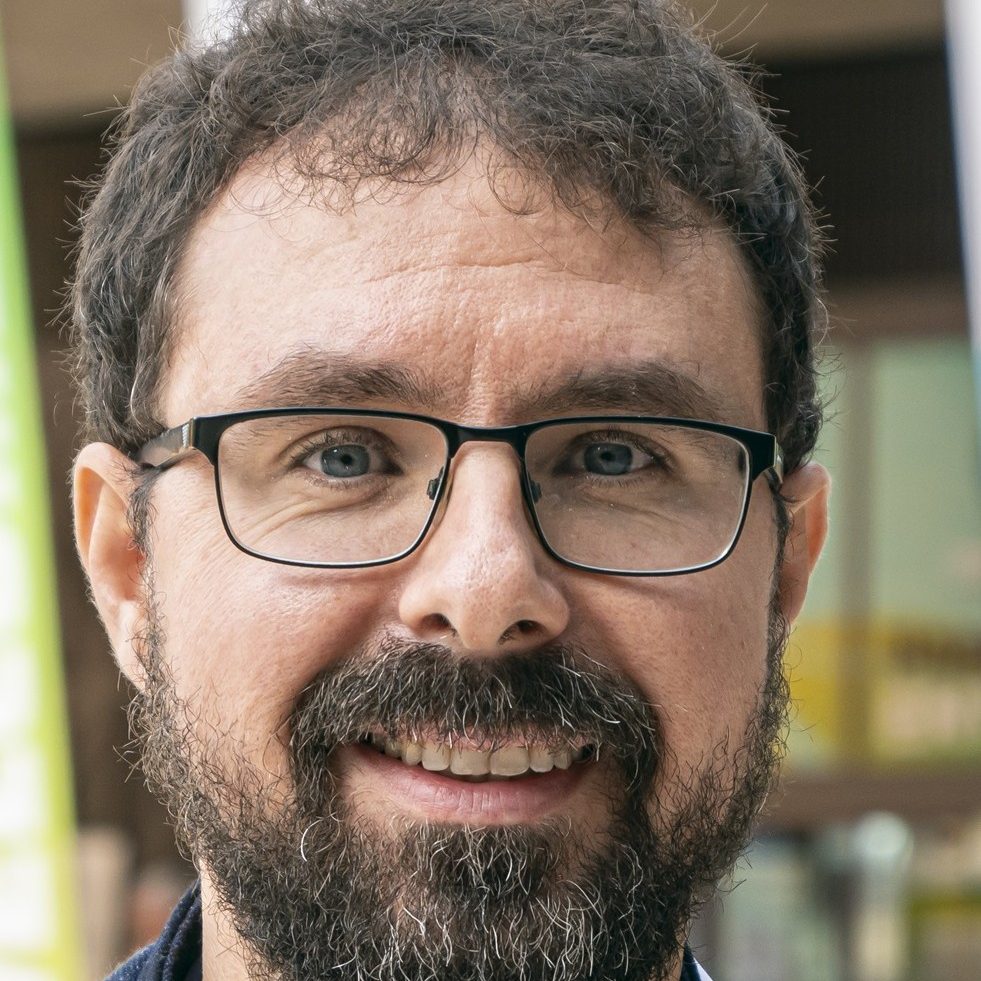
I am an ecosystem ecologist and agroecologist with extensive experience investigating the consequences of human activities, including agriculture, on biogeochemical processes, biodiversity, and the assembly of plant, microbial, and faunal communities in terrestrial ecosystems. Currently, I am Associate Professor of the Botany Area of the Department of Biology at the University of Cádiz, where I lead the “Ecosystem Ecology Laboratory” of the Viticulture and Agri-Food Institute (IVAGRO).
Robyn Hetem (she/her)
University of Canterbury, New Zealand

Robyn is a conservation physiologist. Her research primarily investigates the physiological and behavioural mechanisms that free-ranging mammals use to navigate the challenges of a warming and increasingly unpredictable world. By integrating field-based physiological monitoring with ecological data, she seeks to understand the physiological and behavioural flexibility of wildlife and how these adaptations influence their survival and distribution in changing environments. Her work is instrumental in bridging the gap between individual animal performance and broader conservation outcomes.
University of Reading, United Kingdom

Rodica is a tree ecophysiologist who uses molecular techniques, stable isotopes, and data modelling to examine the role of fungal biotic interactions in plant nutrition and ecosystem function. She is mainly interested in the ectomycorrhizal symbiosis and the interactions between saprotrophic and ectomycorrhizal fungal guilds, and how to integrate their feedback into models of climate change impacts on forest trees.
Saheed Jimoh (he/him)
Rice University, United States

Saheed is a plant ecologist focused on the functional roles of above- and belowground traits and organs in shaping ecosystem processes. By combining experimental and modeling techniques with trait-based frameworks, he explores plant adaptation, plant-microbe interactions, species composition, and invasion mechanisms in response to shifting environmental conditions. His work seeks to transform our understanding of plant organs and traits into predictive models of ecosystem resilience, providing a roadmap for managing terrestrial landscapes amid escalating global change.
Université du Québec à Montréal, Canada

Scott is a biogeoscientist. His research is focused on the resilience of peatland and wetland ecosystems to both climate change and disturbance regimes. He combines field research, laboratory analysis, remote sensing and modelling approaches to better constrain spatio-temporal dynamics of wetland ecosystems.
University of Bristol, United Kingdom
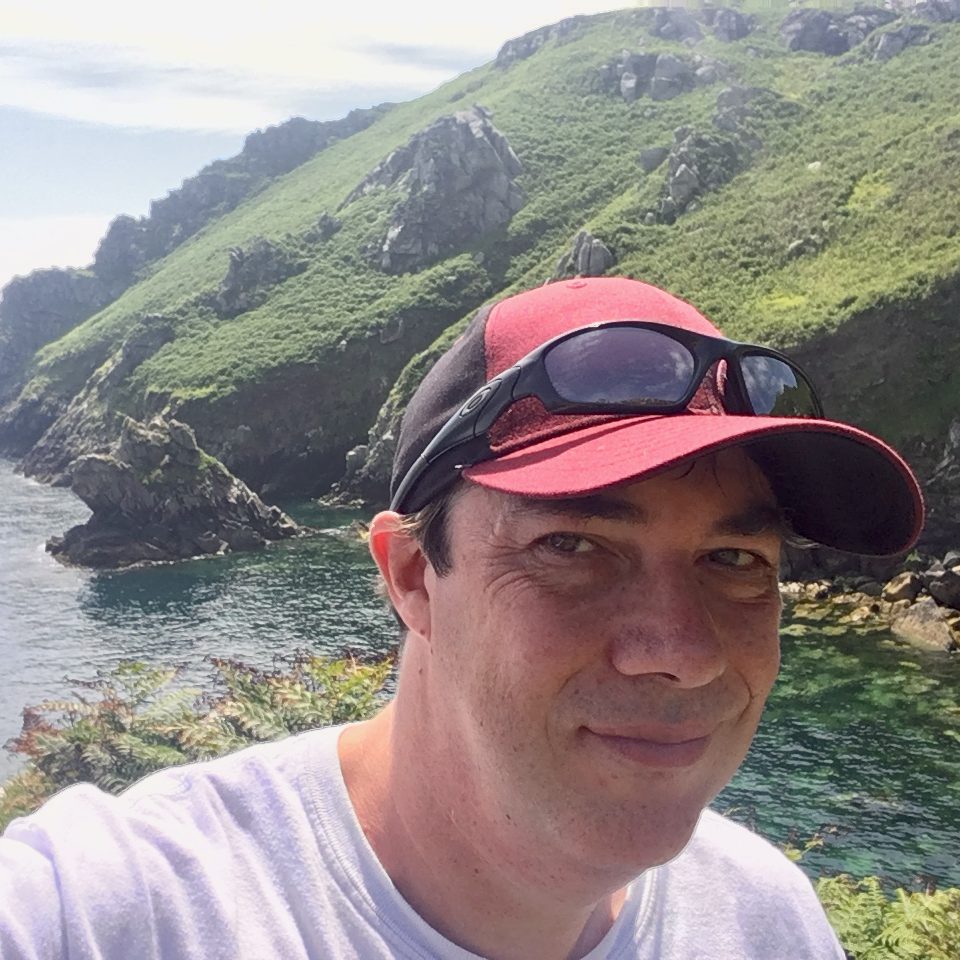
Sean Rands is a behavioural and evolutionary ecologist based at the University of Bristol. He uses a mixture of innovative experimental and theoretical techniques to explore the processes and behavioural mechanisms driving interactions between plants and pollinators, parasites and hosts, and groups of animals.
New Zealand Institute for Bioeconomy Science Limited, New Zealand

Serajis is a quantitative forest scientist. His work focuses on understanding forest growth dynamics and improving predictive modelling for both plantation and natural forests. He has a multidisciplinary background spanning forest ecology, ecophysiology, and geospatial analysis. His research integrates empirical data and process-based modelling to address key challenges in forest productivity, carbon sequestration, and climate change adaptation, including the development of growth and yield models for both exotic and indigenous tree species.
UCLouvain, Belgium

Simon is an evolutionary ecologist studying how, and how fast, animals adapt to natural and human-induced environmental change. He takes an integrative-organismal approach, combining functional morphology with behavioural and physiological ecology. His research integrates field-based experiments with phylogenetic comparative analyses and typically focuses on lizards as model systems.
Tao Yan
Institute of Applied Ecology, Chinese Academy of Sciences, China

Tao’s research focuses on plant ecophysiology and forest ecology. Specifically, he combines observational, experimental, and data mining approaches to understand how environmental changes such as nitrogen deposition, warming, and drought affect tree performance—particularly growth, phenology, carbon allocation, and nutrient and water use—from both aboveground and belowground perspectives. Additionally, he focuses on a mechanistic understanding of soil carbon dynamics, with emphasis on soil respiration, soil organic carbon formation, and stabilization.
Tao Zhang
Northeast Normal University, China

Tao’s research focuses on biodiversity, soil ecology, grassland ecology, agricultural ecology, soil microbial ecology, plant-soil interactions under global changes (including global warming, nitrogen deposition, salinization, drought, land use, etc), and the influence of soil microbes on terrestrial ecosystem stability and multifunctionality (biodiversity, soil health, greenhouse gas, nutrient leaching, carbon storage, plant invasion, etc). I also have a particular interest in the ecological functions of mycorrhizae.
Veronika Jílková
Biology Centre of the Czech Academy of Sciences, Czechia

Veronika’s research interest is focused on soil organic matter turnover, nutrients cycling, and plant-soil and climate change-soil feedbacks. Their main aim is to study forest and agricultural ecosystems.
Weiwei She
Beijing Forestry University, China

Weiwei is a community ecologist interested in the plant and microbial adaptation, community dynamics, and their responses to global change. His current work focuses on dryland ecosystems, examining the influence of stressful, resource-pulsed environments on ecological strategies and plant–microbe interactions, and the role of these processes in shaping community trajectories and ecosystem stability.
University of Glasgow, United Kingdom

I am an Earth system scientist focused on terrestrial ecosystem dynamics and their feedbacks to the climate system across spatial and temporal scales. My research centers on how plant functional traits and strategies shape ecosystem processes, including vegetation dynamics, carbon and nutrient cycling, and land–atmosphere interactions, and how these processes respond to anthropogenic climate change. I integrate a range of modeling approaches to simulate plant growth and competition, soil biogeochemistry, hydrology, permafrost processes, and greenhouse gas emissions.
Wishing all our new AEs a very warm welcome!