
What began as an unusual adventure for the young cast of an upcoming Polish film unexpectedly became a real-life encounter with history, when treasure hunters uncovered a rare fragment of 19th-century cavalry armour from the mud of a palace moat in Lower Silesia.
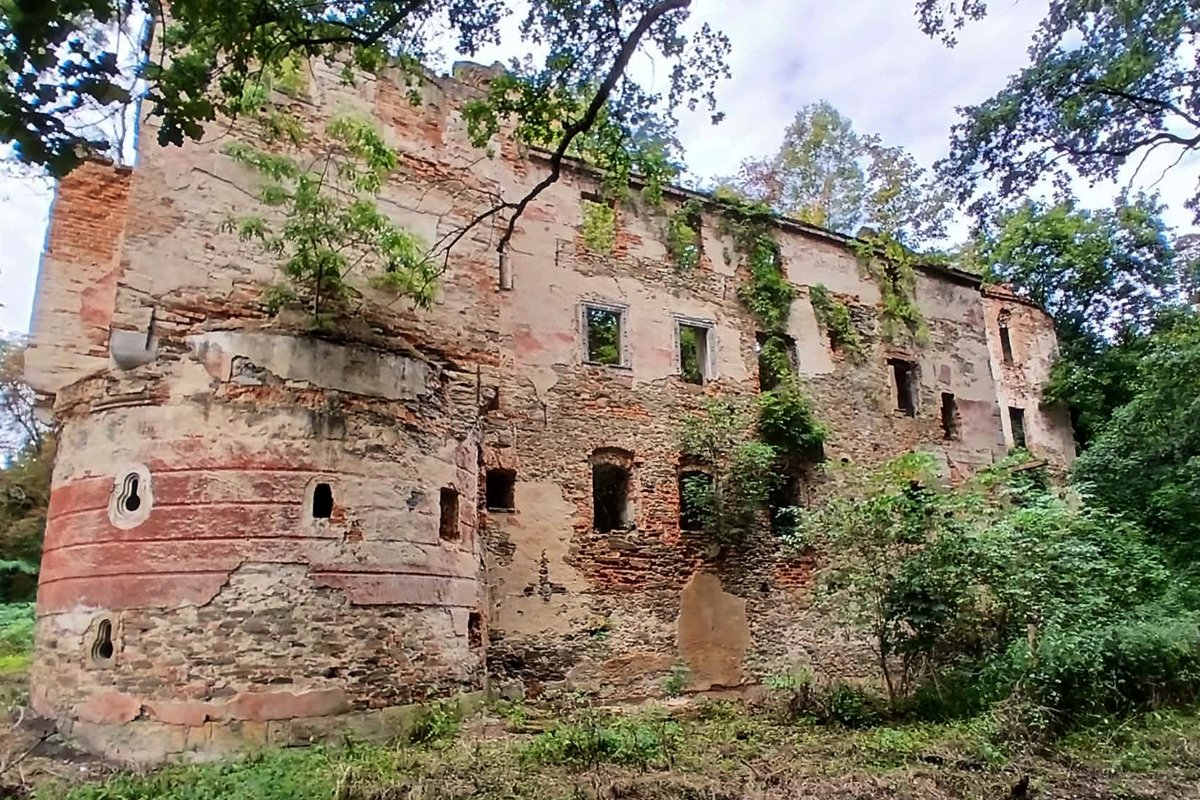
The remarkable discovery was made at Pielaszkowice Palace, near Kostomłoty, about 40 kilometres from Wrocław. Actors preparing for a new adaptation of the cult Polish novel Satan from the Seventh Grade had joined professional explorers for a treasure hunt inspired by the story — only to uncover genuine relics linked to the estate’s turbulent past.
The exercise was intended to give the actors first-hand experience of treasure hunting before filming began. Instead, the team uncovered genuine historical artefacts — including a surviving fragment of armour believed to have belonged to a French or Prussian cuirassier.
Writer and journalist Joanna Lamparska, who organised the expedition and hosts the Hi!History YouTube channel, described the piece as an extraordinary survival.
The discovery was made by Wiesław Andrysiak of the DRACO History Explorers Association after Lamparska decided the group should continue investigating the moat.
“It’s an incredible find that miraculously survived to this day,” she said.
Palace linked to Napoleon
The choice of Pielaszkowice was no coincidence.
The palace has a direct connection with the Napoleonic Wars. On 4 June 1813, an armistice between Napoleon’s forces and the allied armies of Russia and Prussia was agreed at the residence. Napoleon would reportedly come to regard the decision as one of the greatest mistakes of his life.
That history also connects the palace with the story behind Satan from the Seventh Grade, a popular Polish novel by Kornel Makuszyński involving a mystery surrounding treasure supposedly hidden by a soldier from Napoleon’s defeated army.
Lamparska therefore invited the cast to experience something resembling the adventure at the centre of the story: searching for forgotten objects in the grounds of the historic palace.
Professional treasure hunters and specialists were brought in for the operation, including members of the HUNTER Search Group, geophysics specialist Dariusz Gwiazda and the DRACO History Explorers Association from Żmigród.
The results went considerably beyond a film promotion.
Armour emerges from the mud
The most significant object recovered was a fragment of 19th-century cuirassier armour.
Cuirassiers were heavy cavalry soldiers whose equipment typically included protective metal breastplates and helmets. The newly recovered fragment is thought to have belonged to either a French or Prussian cavalryman.
Its survival in the palace moat was particularly striking given the conditions in which it had remained.
But the armour was not the expedition’s only discovery.
Searchers also recovered fragments of elaborately carved park sculptures and metal fittings from the palace itself, including original door locks.
The artefacts will not enter private collections. According to the organisers, they are to be donated to the Silesian House Museum in Ziębice and incorporated into a state museum exhibition.
Wartime destruction may explain the finds
Some of the objects could be connected with another violent episode in the palace’s history.
During the final months of the Second World War in 1945, Pielaszkowice Palace was heavily looted by the Red Army.
According to accounts of the site, furnishings from the residence were thrown through its windows and landed in the moat, disappearing into roughly a metre of watery mud.
Local residents recovered valuable pieces of Meissen porcelain from the water shortly after the war, but the moat had apparently never subsequently undergone a comprehensive search.
The latest investigation therefore offered the possibility of recovering objects that had remained buried in the mud for more than 80 years — alongside potentially much older material associated with the palace’s Napoleonic history.
Actors become real treasure hunters
The expedition had originally been conceived as preparation for the new screen adaptation of Satan from the Seventh Grade, which is scheduled to reach cinemas in 2027.
Producer Mariusz Pujszo of Skarb Film explained that the idea was to immerse the cast in the experiences of their characters.
Just as actors portraying prisoners or police officers might spend time learning about those environments, he argued, performers starring in a story centred on Napoleon’s lost treasure should experience genuine treasure hunting.
For the young actors, the exercise involved wading through deep mud and silt alongside the experienced search teams — discovering how physically demanding the hunt for buried history can be.
Chris Cugowski, who plays one of the film’s main characters, described the unusual sensation of moving through the moat, where the mud created a powerful suction around those attempting to walk through it.
What was intended primarily as an exercise in understanding the world of their fictional characters ultimately brought the cast face-to-face with genuine history.
The discovery of the cuirassier armour has transformed a promotional treasure hunt into an archaeological and historical investigation — and raised the possibility that further relics may still be concealed beneath the mud surrounding Pielaszkowice Palace.