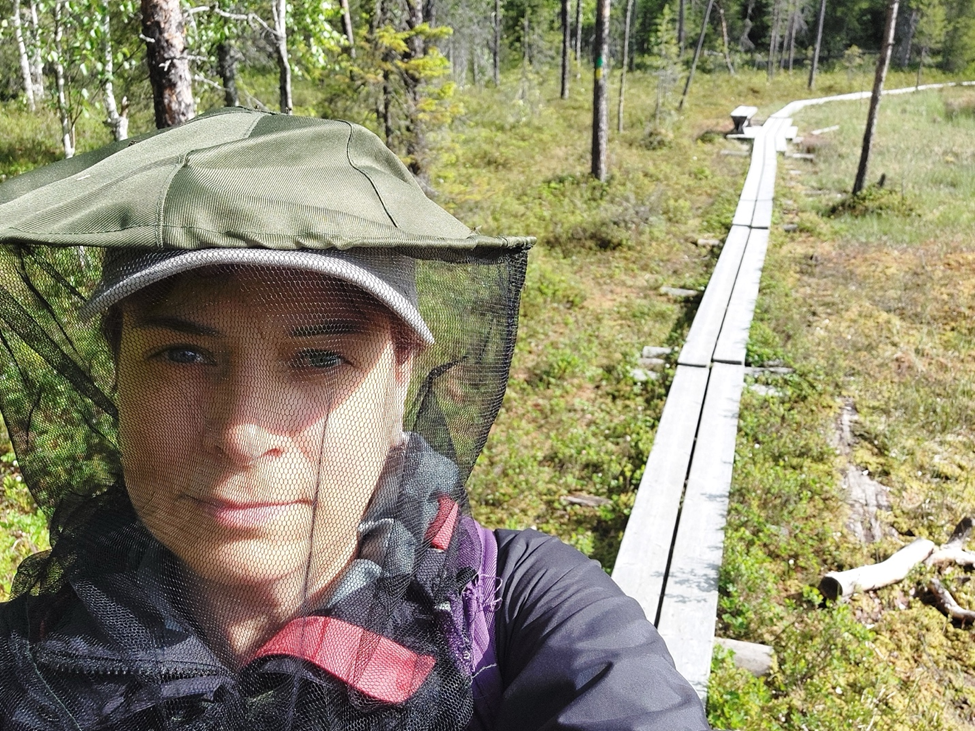
In this blog post, we hear from our newest Senior Editor, Sandra Varga! Sandra – an Associate Professor at the University of Lincoln, UK – is an evolutionary ecologist interested in understanding how plants interact with their environment. She is particularly fascinated by how plants and soil microbes interact, especially arbuscular mycorrhizal fungi.
What’s the best thing about your particular area of research?
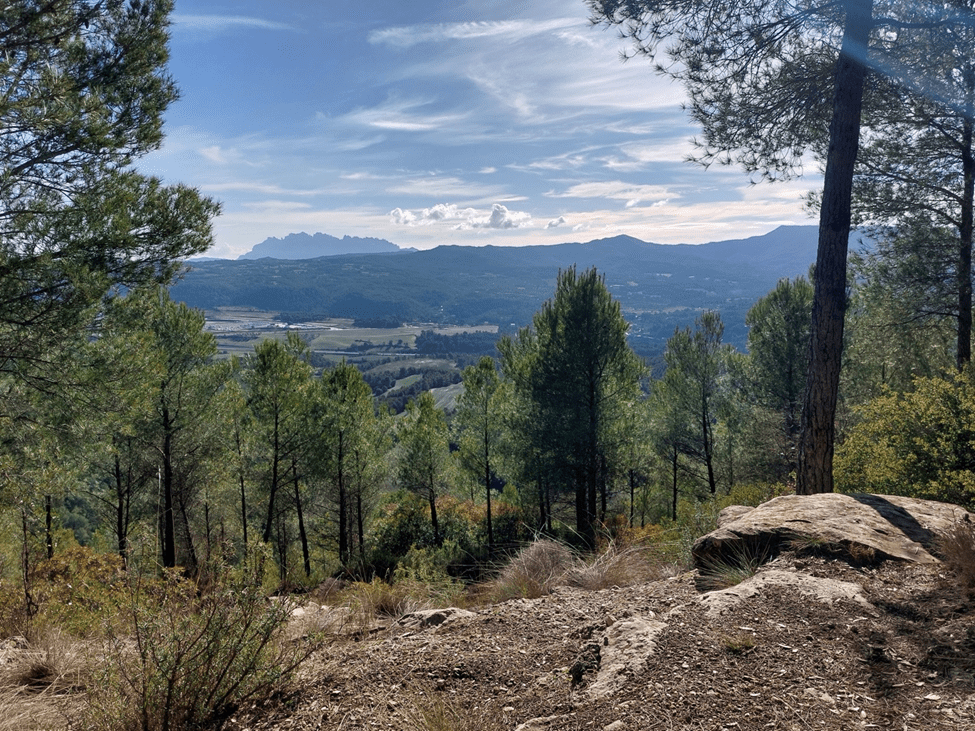
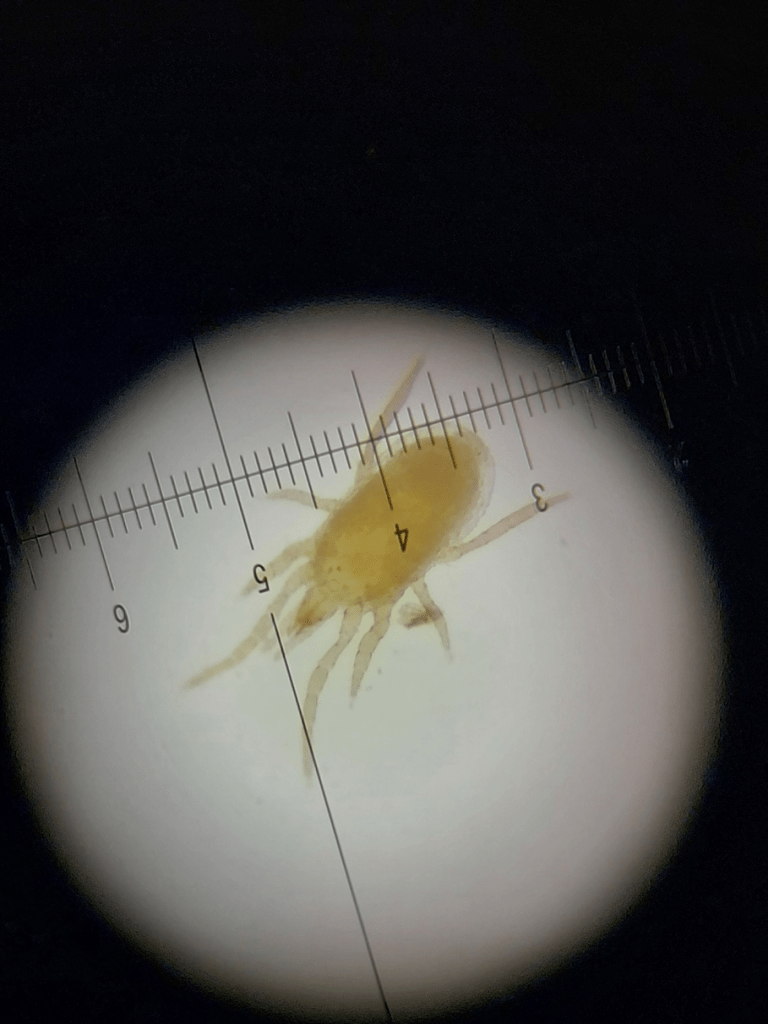
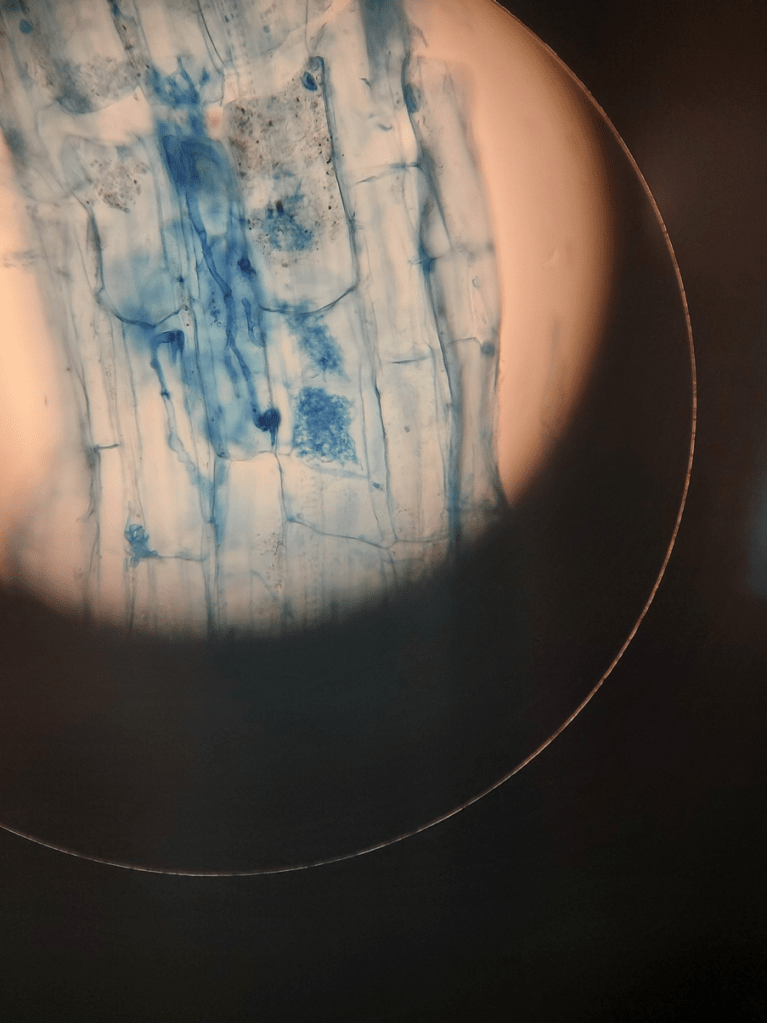
The best thing of working with plants and soil organisms is that you can spend a lot of time outdoors as well as in the lab, and checking roots and soil under the microscope is always full of surprises!
What are the current challenges and questions in ecology that you hope to address?
I’m hoping to advance our understanding of how soil microbes can contribute to sustainable food production, combat biodiversity loss and help tackling Net Zero, some of the most pressing current challenges that our planet is experiencing.
What is one of the biggest challenges you have faced in your career?
Becoming a mother during COVID was a beautiful but interesting experience that brought lots of adjustments in my life. Pausing my career for a while and returning to it with a baby was hard to start with, and finding the right balance between life and work can still be challenging at times.
What’s next in your research area?
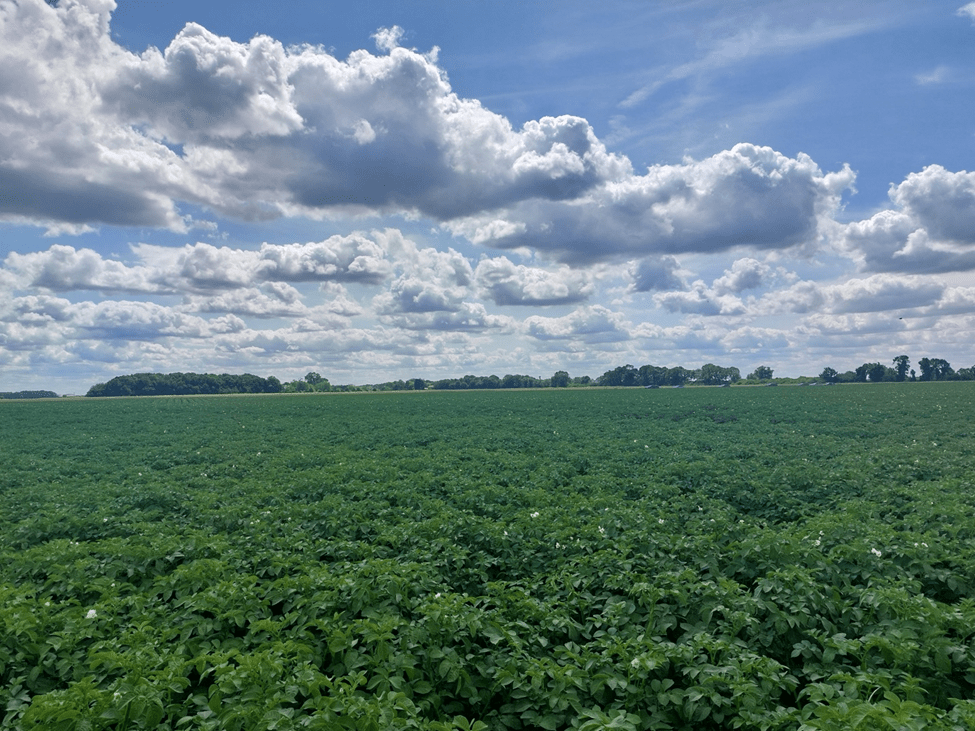
I am trying to expand our understanding of plant-soil interactions under climate change in terms of greenhouse gases emitted from agricultural soils, and how different soil management techniques affect yields and soil health.
Why are you looking forward to serving as a Senior Editor? What are some of the benefits and challenges?
Being able to contribute back to the BES and to the scientific society in general is something very appealing to me. This role gives me a unique chance to interact with a much wider network of researchers (from authors and reviewers to other editors), and to read current research being produced from a broad and very active field. A perceived challenge at this point is to keep contributing to the high standards of Functional Ecology through my Senior Editor role!
What are some of the common mistakes/pitfalls that you see in the papers? How might these be addressed by researchers?
For a paper to be published in Functional Ecology, it needs to advance our mechanistic understanding of the ecological processes or patterns reported, and sometimes this is simply missing. Many papers are also trying to generalise ecological findings measured using few plots or small temporal scales. I would encourage authors to carefully think about their experimental designs, so that they are able to disentangle the often very complex interactions occurring in nature.
What submissions would you like to see more of?
I might be biased here, but I would love to see more papers dealing with fungi. Being crucial components of most ecosystems, fungi are somewhat overlooked.
What would you say are some of the biggest challenges in the field of ecology?
With the amount of good science going on all around the world, I think one of the biggest challenges that could really advance the field of ecology would be to create and widely use some sort of mechanism to enable global data collection and integration. Many relatively small experiments are conducted at the same time looking at the same question, so being able to design and integrate large experiments across the planet using a more cooperative, multidisciplinary approach, would allow us to answer to the real big questions in ecology in a more cost-efficient manner.
What advice would you give to early career researchers in ecology?
Try to find a topic that not only interests you but that it will also make an impact to society. Team up and collaborate with experts from other disciplines from the start.